



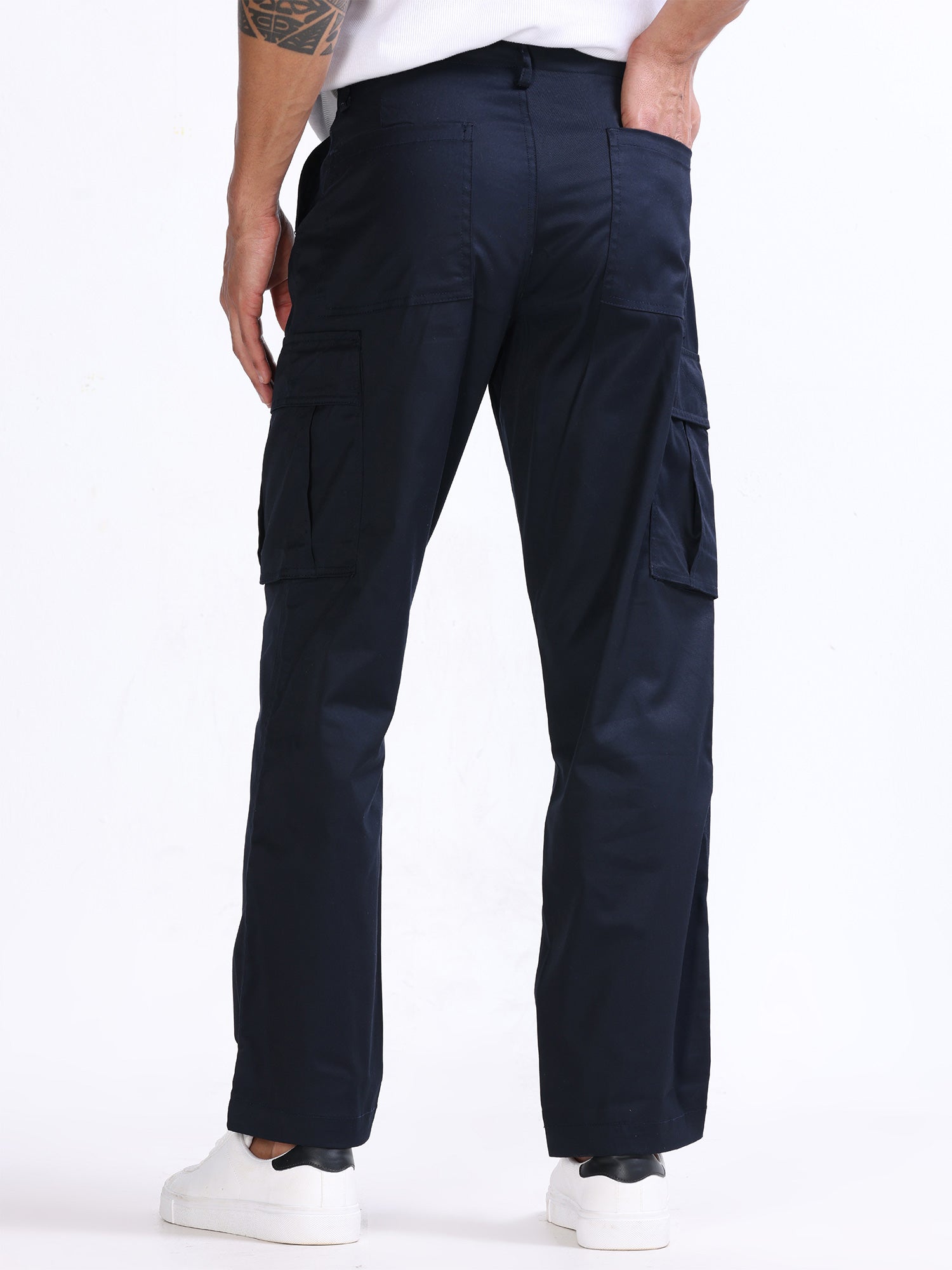
Best Fabrics Used in Cargo Trousers for Durability and Comfort
Cargo trousers are known for their practicality, durability, and comfortable design. Originally created for military and utility purposes, these trousers were built to withstand demanding environments while allowing easy movement. One of the most important factors that determines the performance of cargo trousers is the fabric used in their construction. Many modern clothing collections, including those from Italian Colony, focus on selecting fabrics that balance durability, comfort, and long-term usability.
Understanding the different fabrics used in cargo trousers helps consumers choose the right pair for their daily activities.
Why Fabric Choice Matters in Cargo Trousers
The fabric used in cargo trousers directly affects their durability, flexibility, and comfort. Since cargo trousers often include multiple pockets and are used in active environments, the fabric must be strong enough to support regular use while remaining breathable.
High-quality fabrics ensure that cargo trousers maintain their shape and structure over time. Apparel collections from Italian Colony prioritize fabric selection so that cargo trousers can handle daily wear while still offering comfort throughout the day.
Cotton Fabric
Cotton is one of the most commonly used materials in cargo trousers. It is widely preferred because it offers both comfort and breathability.
Cotton cargo trousers allow airflow, which helps keep the wearer comfortable during long hours of use. The fabric also provides a soft texture, making it suitable for everyday wear.
Many cargo trousers from Italian Colony incorporate cotton fabrics to ensure the trousers remain comfortable for casual use, travel, and outdoor activities.
Cotton Blend Fabrics
Cotton blends combine cotton with other fibers such as polyester or elastane. These blends improve the overall durability and flexibility of the fabric.
The addition of synthetic fibers helps cargo trousers resist wrinkles and maintain their structure. Cotton blends are also known for being lightweight and easy to maintain.
Collections from Italian Colony often use cotton blend fabrics because they provide a balance between comfort and long-term durability.
Ripstop Fabric
Ripstop fabric is designed specifically to prevent tearing. It is woven using a special reinforcement pattern that strengthens the fabric while keeping it lightweight.
This type of fabric is commonly used in cargo trousers intended for outdoor activities or demanding work environments. Ripstop fabrics are resistant to wear and tear, making them suitable for situations where durability is important.
Some cargo trouser designs offered by Italian Colony include durable fabric structures that support active daily use.
Twill Fabric
Twill is another commonly used fabric in cargo trousers. It is characterized by its diagonal weave pattern, which increases strength and durability.
Twill fabrics are known for their ability to maintain shape and resist damage from repeated use. They also provide a structured appearance, which can improve the overall look of cargo trousers.
Cargo trousers made with twill fabric, such as those found in Italian Colony collections, often offer a balance between durability and structured styling.
Stretch Fabric
Some modern cargo trousers include stretch fabrics that allow greater mobility. These fabrics often include a small percentage of elastane or spandex blended with cotton.
Stretch cargo trousers allow wearers to move comfortably during activities that require bending, walking, or extended periods of movement.
Brands like Italian Colony incorporate stretch elements in certain designs to improve flexibility without compromising durability.
How Fabric Affects Everyday Use
Different fabrics serve different purposes depending on how cargo trousers will be used.
For Casual Wear
Cotton fabrics provide comfort and breathability for everyday activities.
For Travel
Cotton blends and lightweight fabrics help maintain comfort during long periods of movement.
For Outdoor Activities
Ripstop and twill fabrics offer greater resistance to wear and damage.
Cargo trousers developed by Italian Colony aim to provide fabric options suitable for a wide range of everyday uses.
Conclusion
The fabric used in cargo trousers plays an essential role in determining their durability, comfort, and overall performance. Materials such as cotton, cotton blends, ripstop, twill, and stretch fabrics each offer different advantages depending on the intended use.
By selecting the right fabric, cargo trousers can provide long-lasting functionality while maintaining comfort throughout the day. Apparel collections from Italian Colony demonstrate how thoughtful fabric selection helps ensure cargo trousers remain reliable for modern wardrobes.
FAQs
1. What is the most common fabric used in cargo trousers?
Cotton is the most commonly used fabric because it offers comfort, breathability, and durability.
2. Are cotton blend cargo trousers better than pure cotton?
Cotton blends often provide improved durability and flexibility compared to pure cotton fabrics.
3. What fabric is best for outdoor cargo trousers?
Ripstop and twill fabrics are commonly used for outdoor cargo trousers because they resist wear and tearing.
Read more

Cargo Trousers vs Regular Trousers: What’s the Difference?
Trousers are an essential part of men’s clothing, but different styles serve different purposes. Two commonly compared options are cargo trousers and regular trousers. While both are designed to pr...
Read more
Why Cargo Trousers Are Ideal for Workwear and Utility Use
Cargo trousers are widely recognized for their functional design and durability. Originally created for military use, they were built to support environments where mobility, storage, and durability...
Read more
