



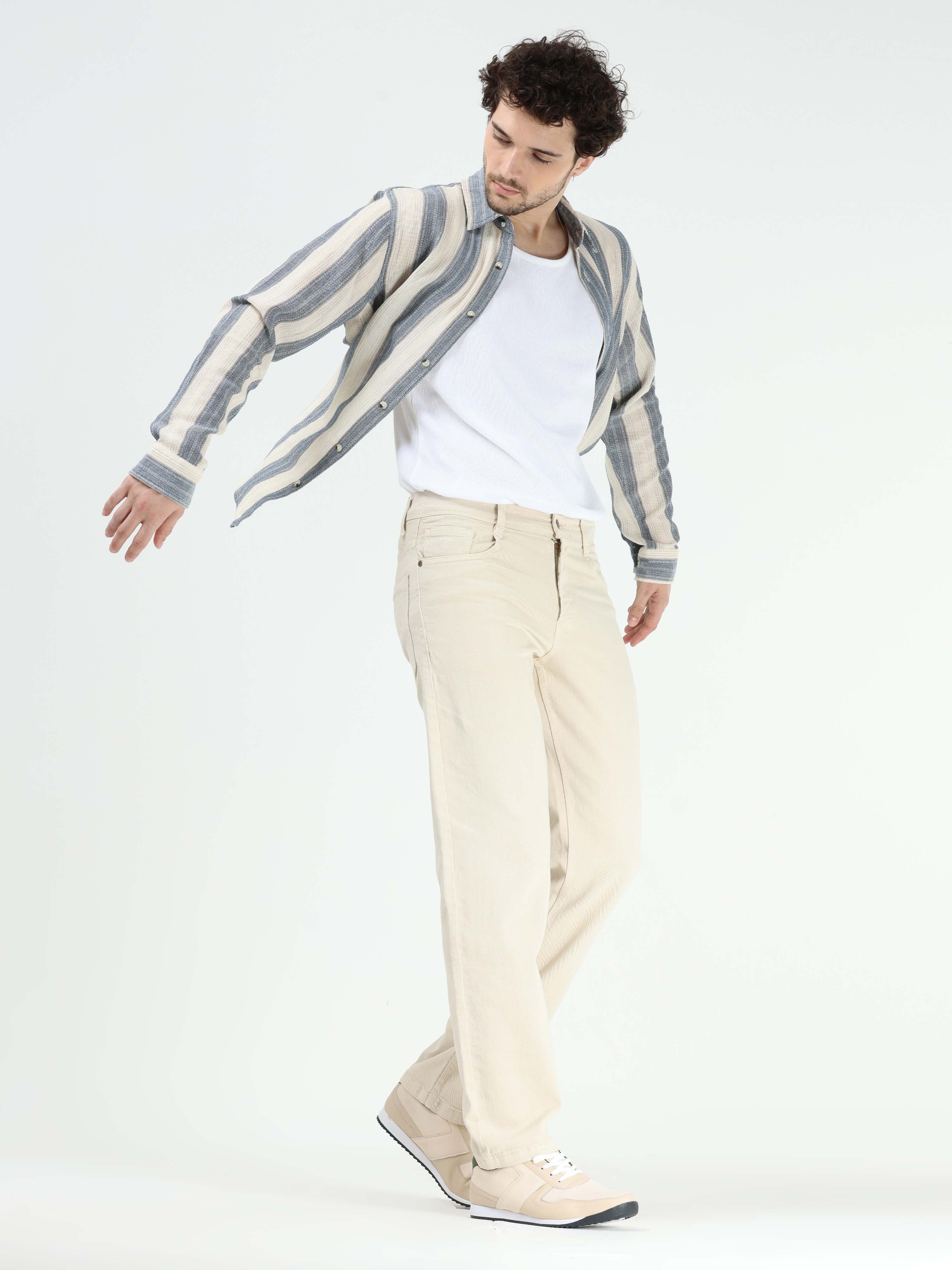
Choosing the Right Relaxed Fit Trousers: Fabric, Construction, and Practical Features
Have you ever spent hours in a fitting room, frustrated that every pair of pants either suffocates your thighs or hangs off your waist like a parachute? You are not alone. For men who lift weights, cycle, play sports, or naturally possess muscular legs, finding the right trousers is a well-known sartorial struggle. The modern fashion industry often caters to a very specific, slender body type, leaving athletic men with limited and often unflattering options. However, the solution lies in understanding garment proportions and choosing the right relaxed fit trousers for athletic build. By focusing on the interplay of fabric, intelligent construction, and practical features, you can achieve a sophisticated, elegant look without ever compromising on your physical comfort.

The Challenge of Menswear for Big Quads
Modern menswear has spent the last two decades obsessed with slim and skinny silhouettes. While these tight styles work for some, they completely ignore the anatomical reality of men with muscular lower bodies. Menswear for big quads requires a fundamentally different approach to pattern making and tailoring. When you have well-developed quadriceps and hamstrings, the standard off-the-rack trousers simply do not have enough volume in the upper leg.
The Waist-to-Thigh Ratio Dilemma
The primary issue athletic men face is the 'drop'—the ratio between the waist and the hips/thighs. A standard pair of trousers assumes a relatively straight line from the hip bone down to the knee. An athletic physique, however, features a narrower waist that flares out dramatically at the glutes and thighs before tapering back down at the knee. Sizing up to accommodate your thighs usually results in a waistband that is several inches too large, leading to fabric bunching and a sloppy appearance when belted. You need extra room in the seat and thighs, but you still require a tailored, elegant appearance at the waist and ankle.
Moving Beyond the Skinny Fit Trend
Fortunately, the pendulum of menswear is swinging back toward classic, more generous proportions. Embracing wider leg styles is not just a passing trend; it is a return to traditional sartorial elegance. For the athletic man, this shift is a blessing. It allows you to move away from the restrictive, circulation-cutting skinny fits and step into trousers that actually flatter your hard-earned physique rather than fighting against it.
Why Relaxed Fit Trousers for Athletic Build Are a Game Changer
The term 'relaxed fit' historically conjured images of shapeless, overly baggy clothing from the late 1990s. However, the modern iteration of this style is a completely different, highly refined garment. Today's relaxed fit trousers are designed with intention and architectural precision.
The Magic of a Tapered Relaxed Fit
The secret to pulling off volume without looking unkempt is the tapered relaxed fit. This specific cut offers generous room through the hips, seat, and thighs—exactly where an athletic body needs it most to prevent pulling and tearing—while gradually narrowing from the knee down to the ankle. This precise tapering creates a clean, sharp silhouette that highlights your physique without restricting your movement. It provides the visual illusion of a sleek profile while secretly offering the comfort of sweatpants. The hem rests cleanly on your shoe without pooling, ensuring that your overall appearance remains sharp, professional, and contemporary.
The Importance of High-Rise Trousers
One of the most common mistakes men with athletic builds make is choosing low-rise pants. When you have a muscular seat and larger thighs, low-rise pants tend to slide down your hips, causing discomfort, restricted movement, and awkward proportions. High-rise trousers are the ultimate remedy. Because they are designed to sit closer to your natural waist (around the belly button), they provide significantly more fabric to cover muscular glutes. They stay up securely without the need for an overly tight belt, and visually, they elongate the legs, creating a much more balanced and elegant proportion between your upper and lower body. High-rise trousers smooth out the midsection and allow your trousers to drape properly from the widest part of your hips.
Fabric Matters: Drape, Weight, and Durability
When selecting relaxed fit trousers for athletic build, the choice of fabric is just as crucial as the cut itself. Stiff, unyielding fabrics will resist your body's natural shape, creating a boxy look, while excessively flimsy fabrics will cling unflatteringly to your muscles, ruining the clean lines of the trousers. You must seek out fabrics with excellent 'drape'—a tailor's term for how the material hangs under its own weight.
Wool: The Champion of Drape
Medium to heavyweight wools, such as worsted wool, flannel, or gabardine, are fantastic for athletic builds because they hold a sharp crease beautifully and drape cleanly over muscular thighs. The weight of the fabric pulls the trouser leg down straight, skimming over your muscles rather than molding to them. This creates a beautifully sharp line from the waist to the floor. Furthermore, natural wool has a slight inherent stretch and excellent breathability, making it comfortable for all-day wear.
Cotton and Linen Blends for Versatility
For warmer weather or more casual settings, consider heavy linen blends or high-quality, dense cotton twill. Pure linen can sometimes wrinkle too easily and lose its shape over a large thigh, but blending it with cotton or a touch of wool stabilizes the fabric. A very small percentage of elastane (around 1-2%) can add a helpful layer of comfort, but you should rely primarily on the generosity of the cut rather than the stretch of the fabric for the best, most elegant look.
Construction Details: Italian Tailoring for Athletic Bodies
The secret to a perfect pair of trousers often lies in the hidden, meticulous details of their construction. Italian tailoring for athletic bodies is globally renowned for its soft structure, fluidity, and deep understanding of the male anatomy in motion.
Pleats: Functional and Stylish
Many men fear pleats, associating them with outdated 1980s business wear. However, single or double forward pleats are incredibly functional and stylish for muscular legs. Pleats are essentially folded extra fabric at the waist that expands when you sit, squat, or walk, offering immediate relief and room for larger thighs. When you stand, well-crafted pleats lay flat, maintaining a sleek and structured profile. They are a mechanical solution to a biological problem, adding volume exactly where the athletic body requires it without increasing the size of the waistband.
The Split Waistband and Sartorial Details
Another hallmark of premium tailoring is the split waistband (often called the 'spacco sartoriale'). This is a small V-shaped notch located at the center back of the waistband. This ingenious little detail allows the trousers to move and expand slightly when you sit down, reducing pressure on your waist and lower back—a crucial feature for athletic builds who need flexibility. If you are looking for premium examples of these construction details, exploring collections at Italiancolony reveals how classic craftsmanship meets modern fit requirements seamlessly. Their dedication to sartorial excellence ensures that every seam, dart, and button is placed with anatomical precision.
Practical Features to Look For
Beyond the primary cut, fabric, and tailoring style, paying attention to the practical details will elevate your trousers from good to perfect.
Side Adjusters vs. Belt Loops
Side adjusters (small buckles and straps on the hips) are an excellent alternative to belt loops. They provide a much cleaner waistline and allow for micro-adjustments throughout the day. This is perfect for athletes whose waist size might fluctuate slightly depending on their training cycle, hydration, or diet. A belt can often create bulk at the waist, whereas side adjusters keep the silhouette streamlined and elegant.
Hemming and Cuffs for Optimal Weight
The bottom of your trousers plays a big role in how the entire garment hangs. A slightly wider hem or a subtle cuff (around 1.5 to 2 inches) adds physical weight to the bottom of the trouser leg. This extra weight acts as an anchor, pulling the fabric down and helping the trousers to drape perfectly straight over your calves and ankles. Finally, ensure the pockets are cut properly; slanted side pockets tend to bow open aggressively if the trousers are tight across the hips, whereas side-seam pockets offer a cleaner, unbroken line for muscular builds.
FAQ
1. What is the best trouser fit for men with an athletic build?
The best trouser fit for men with muscular legs is a tapered relaxed fit. This cut provides extra room in the seat and thighs to accommodate developed quadriceps and glutes, while gradually narrowing toward the ankle for a clean, tailored silhouette. It balances comfort with a polished appearance, making it ideal for both professional and casual settings.
2. Which fabrics work best for relaxed fit trousers for athletic builds?
Fabrics with good drape are essential. Medium to heavyweight wool (such as flannel or gabardine) offers structure and elegance, while cotton twill or linen blends work well for warmer climates. A small amount of elastane (1–2%) can improve mobility, but the primary comfort should come from proper tailoring rather than excessive stretch.
3. Are pleated trousers suitable for men with big thighs?
Yes. Single or double pleats are highly recommended for men with larger thighs because they provide additional fabric that expands during movement. Pleats improve comfort when sitting or walking while maintaining a sharp, structured appearance when standing, making them both functional and stylish for athletic physiques.
Read more
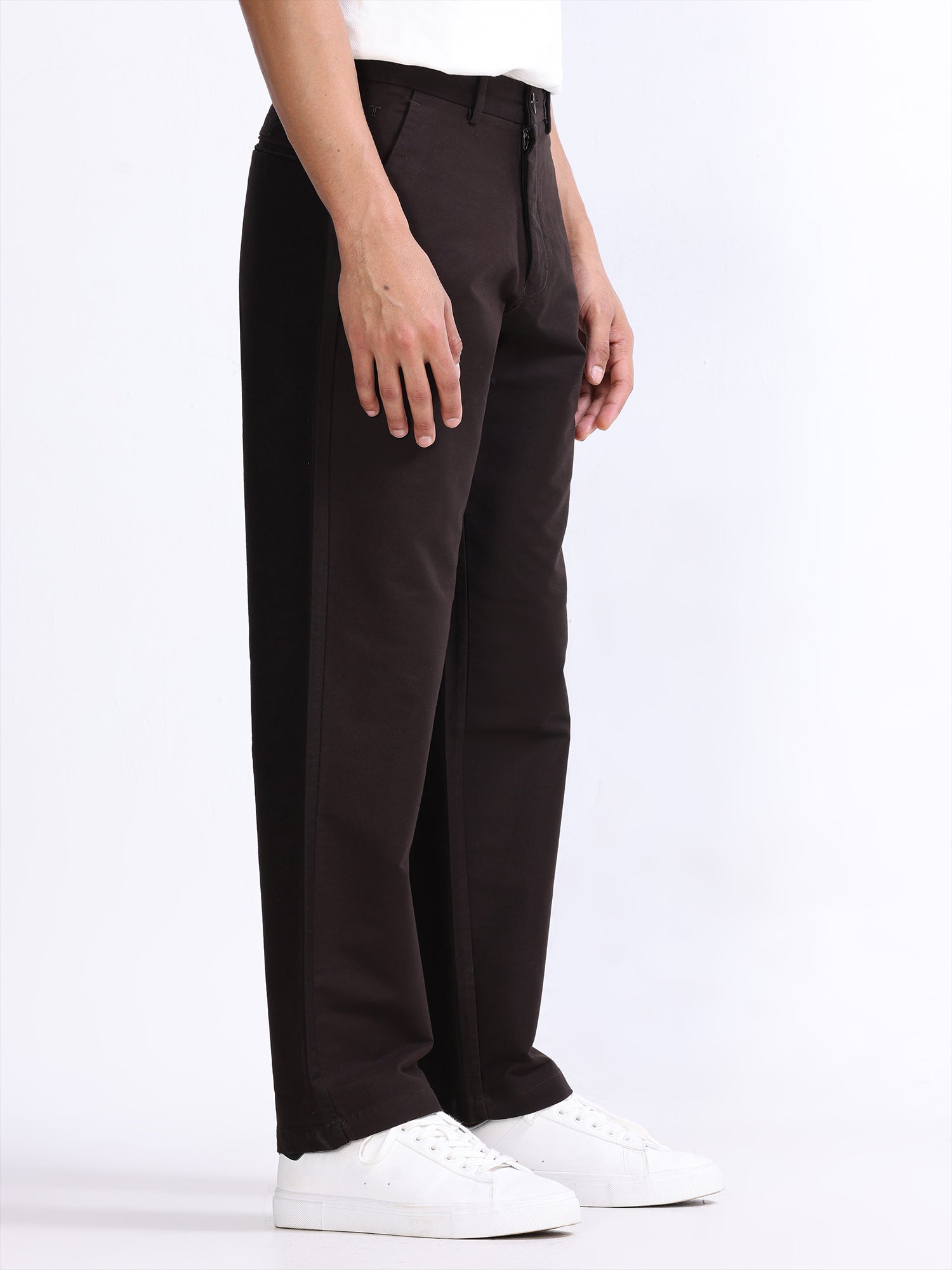
Shoes That Pair Well With Relaxed Fit Trousers for Men
When the temperature rises, maintaining a polished, professional look can become a daunting challenge. The heavy wools and dense synthetic blends of winter are no longer viable, leaving many wond...
Read more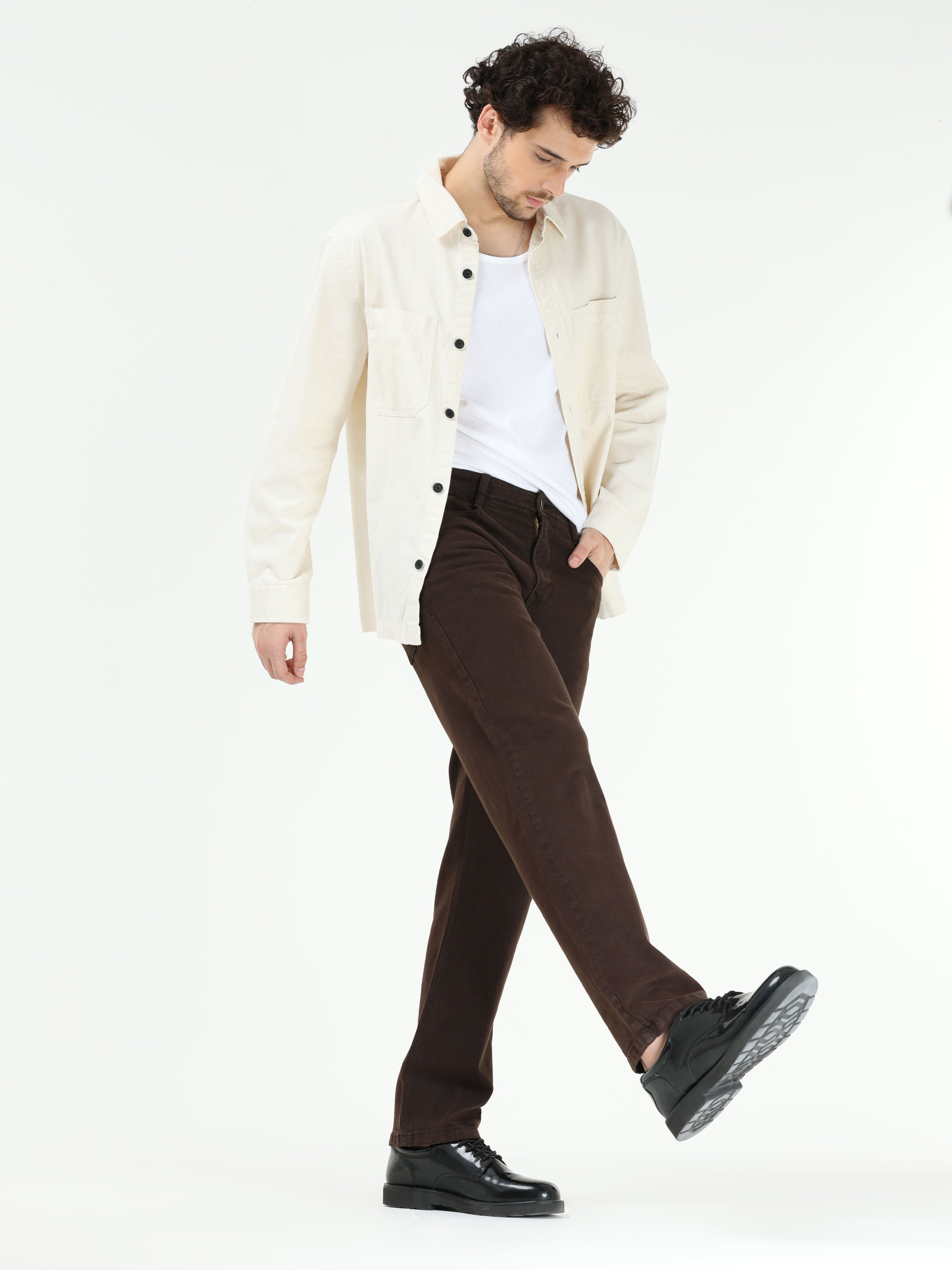
Best Fabrics Used in Relaxed Fit Trousers for Breathability and Durability
The best fabrics for relaxed fit trousers are tropical wool, high-twist cotton twill, and linen-silk blends. These materials provide essential structural integrity and high airflow, preventing the ...
Read more
