



There is nothing quite like the thrill of discovering a perfectly tailored Neapolitan jacket or a pair of handcrafted Tuscan loafers. However, for many American gentlemen, that excitement can quickly turn to confusion when faced with a tag reading "50" instead of "40." Navigating the world of Italian vs US size conversion men is a crucial skill for anyone looking to build a high-quality wardrobe. Without a proper understanding of these differences, buying luxury fashion online can feel like a game of roulette.
At Italian Colony, we believe that style should be accessible and, most importantly, wearable. Understanding the nuances of a menswear international size guide ensures that every piece you order fits as intended—impeccably. In this comprehensive guide, we will demystify the numbers and help you translate European metrics into American comfort.
Why Is There a Difference in Sizing?
The primary disconnect between Italian and US sizing stems from the measurement systems used: the Imperial system (inches) versus the Metric system (centimeters). American sizing often relies on direct body measurements in inches (e.g., a size 40 jacket corresponds to a 40-inch chest). In contrast, Italian sizing generally refers to half the chest circumference in centimeters or follows a specific European scale.
Furthermore, luxury fashion size conversion isn't just about math; it is about history and tailoring traditions. Italian garments are often cut closer to the body, prioritizing a silhouette that differs significantly from the traditionally boxier American cut. This means that even if you get the number right, the fit may feel different.
Suit Jackets and Blazers: The Golden Rule of +10
When discussing Italian suit sizing vs American, the most widely accepted rule of thumb is the "Plus 10" rule. In the vast majority of cases, if you take your US chest size and add 10, you will find your Italian size.
For example, if you wear a US 40 suit jacket, you would typically look for an IT 50. If you are a US 38, you are likely an IT 48.
Italian Suit Sizing vs American: The Chart
Here is a quick reference guide to help you visualize the conversion:
- US 36 = IT 46
- US 38 = IT 48
- US 40 = IT 50
- US 42 = IT 52
- US 44 = IT 54
- US 46 = IT 56
Note: While this rule works for 90% of brands, always check the specific measurements provided by the retailer, as some designers cut slimmer than others.
Dress Shirts: Inches vs. Centimeters
Dress shirts can be tricky because American sizing uses neck circumference in inches (e.g., 15.5, 16), while Italians measure in centimeters. This is a vital part of any menswear international size guide.
To find your size, you can multiply your neck size in inches by 2.54, or simply use these standard conversions:
- US 15 ≈ IT 38
- US 15.5 ≈ IT 39
- US 15.75 ≈ IT 40
- US 16 ≈ IT 41
- US 16.5 ≈ IT 42
- US 17 ≈ IT 43
Keep in mind that Italian shirts are famously tapered. If you are accustomed to a "Classic Fit" from an American brand, a standard Italian shirt may feel like a "Slim Fit." Consider sizing up if you prefer more room in the torso.
Trousers and Pants: Calculating the Waist
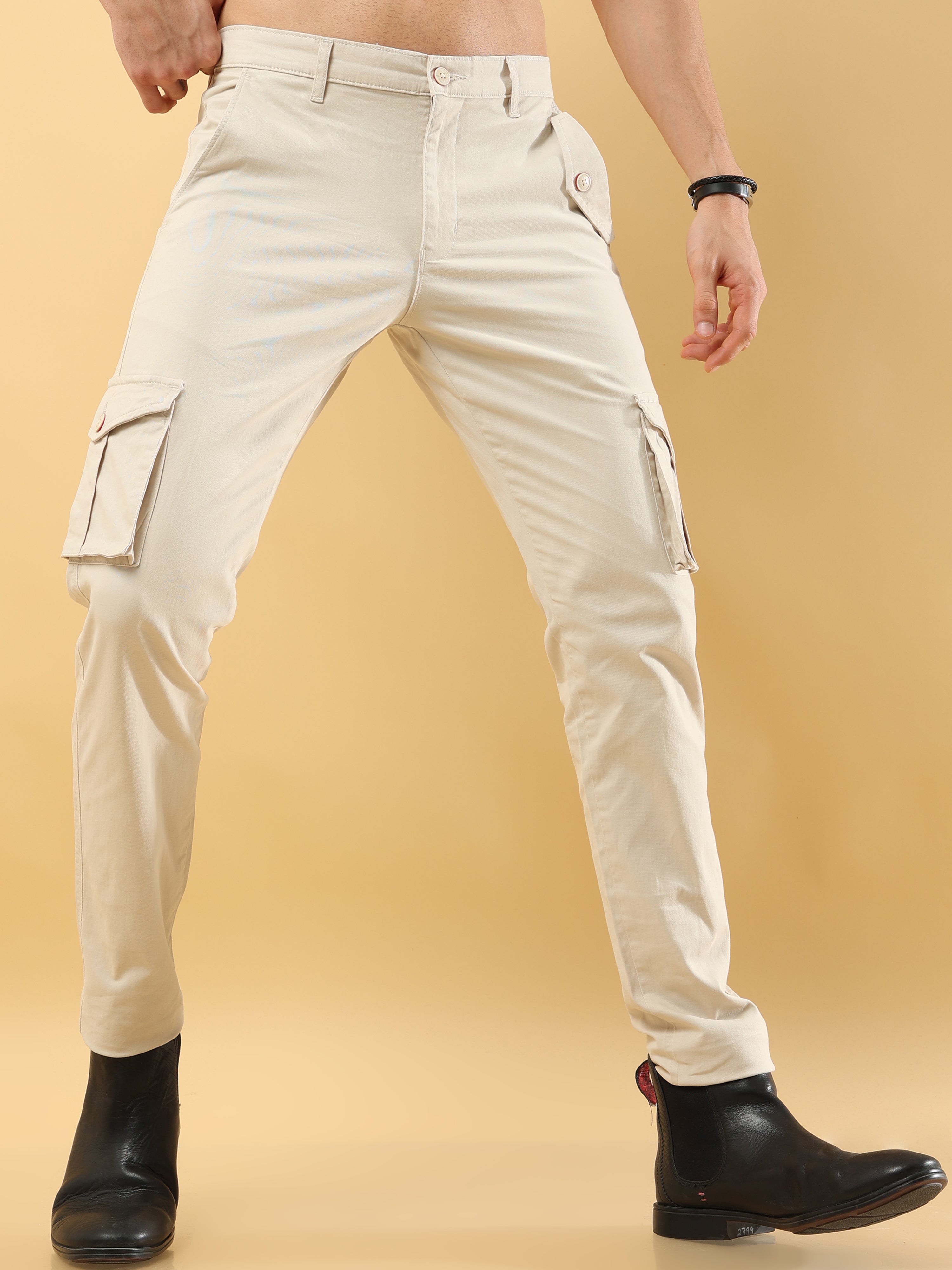
Pant sizing is where many shoppers make errors in Italian vs US size conversion men. US sizing is straightforward: the number represents the waist measurement in inches (e.g., 32, 34). Italian trouser sizes are typically the US size plus 16.
Therefore, the conversion usually looks like this:
- US 30 = IT 46
- US 32 = IT 48
- US 34 = IT 50
- US 36 = IT 52
However, be aware of the rise and the thigh cut. Italian trousers often feature a lower rise and a closer fit through the thigh and calf compared to American khakis or dress slacks.
EU to US Size Chart Men: Footwear
Shoes are arguably the most variable category because the shape of the "last" (the mold the shoe is built on) changes from brand to brand. However, a general EU to US size chart men looks like this:
- US 8 = EU 41
- US 9 = EU 42
- US 10 = EU 43
- US 11 = EU 44
- US 12 = EU 45
If you fall between sizes (for example, a US 9.5), it is often safer to size down in high-end Italian dress shoes (loafers specifically) as the leather will stretch, whereas sizing up might result in heel slippage.
The Fit Factor: Drop and Cut
Numbers only tell half the story. When analyzing luxury fashion size conversion, you must account for the "Drop." The Drop is the difference between the chest size and the waist size of a suit jacket.
Standard American suits typically feature a Drop 6 (a 6-inch difference). Many Italian cuts, tailored for a leaner physique, may feature a Drop 7 or Drop 8, resulting in a much tighter waist. If you have an athletic build with broad shoulders and a narrow waist, Italian tailoring is often a dream come true. If you carry a bit more weight in the midsection, you may need to size up in the jacket and have the shoulders taken in by a tailor.
Conclusion
Mastering the art of Italian vs US size conversion men opens the door to a world of sartorial elegance that domestic brands simply cannot replicate. By understanding these simple conversion rules—adding 10 for suits, 16 for pants, and knowing your neck measurement in centimeters—you can shop with confidence.
Ready to upgrade your wardrobe with authentic European luxury? Visit Italian Colony today to explore our curated collection of fine Italian menswear, where quality meets style.
FAQs
1. Should I size up or down when buying men's clothing online?
Always compare your body measurements with the brand’s size chart. If you are between sizes, check fabric stretch and customer reviews before deciding.
2. How can I measure myself accurately at home?
Use a flexible measuring tape and measure around the fullest part of your chest, natural waistline, hips, and inseam. Stand straight and avoid pulling the tape too tight.
3. What is the difference between slim fit and regular fit?
Slim fit is closer to the body with a narrower cut, while regular fit offers more room around the chest, waist, and sleeves for comfort.