


Office Dress Codes Explained: Business Formal, Business Casual, and Smart Casual for Men
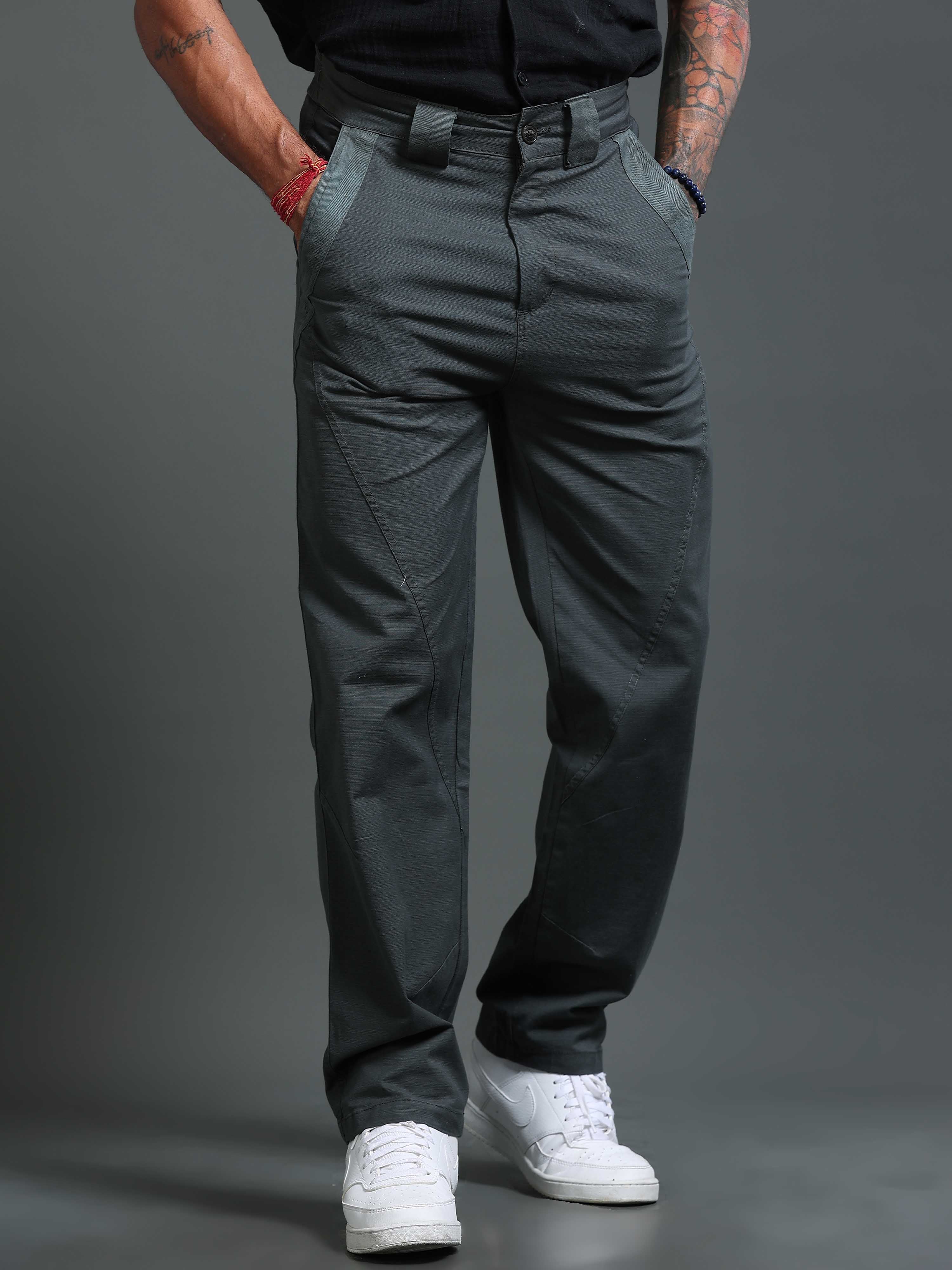
Few things cause more quiet anxiety than an invitation or offer letter that says "business casual" with no further explanation. Dress codes sound precise, but they are interpreted differently by almost every workplace, which leaves most men guessing. The good news is that the differences come down to a handful of clear signals, and one garment sits at the centre of all of them. A well-chosen pair of formal trousers for men can carry you across every code from the boardroom to a relaxed Friday. This guide explains each dress code, what it actually means in practice, and how to dress for it with confidence.
Why Dress Codes Are So Confusing
Dress codes describe a level of formality rather than a fixed uniform, and that level shifts by industry, country, and even by team. A law firm's business casual looks like a design studio's business formal. What stays constant is the underlying logic: formality rises with structure, and falls with softness. Structured fabrics, tailored cuts, and darker colours read as formal, while softer fabrics, relaxed cuts, and lighter shades read as casual. Once you understand that scale, any dress code becomes readable.
The Four Dress Codes at a Glance
Most workplaces sit somewhere on this scale. The table below shows what each code expects.
| Dress Code | Trousers | Top | Shoes |
|---|---|---|---|
| Business Formal | Charcoal or navy, tailored | Crisp shirt, tie, suit jacket | Polished oxfords |
| Business Professional | Charcoal, navy, grey | Shirt, blazer, tie optional | Oxfords or derbies |
| Business Casual | Any neutral trouser | Shirt or fine knit, no tie | Derbies or loafers |
| Smart Casual | Beige, stone, lighter shades | Polo, knit, casual shirt | Loafers or clean sneakers |
Business Formal: The Highest Bar
Business formal is the strictest code, reserved for boardrooms, client pitches, court appearances, and formal evening events. It means a full suit in a dark neutral, a crisp white or light blue shirt, a tie, and polished leather oxfords. Everything should be sharp, structured, and understated. This is not the place for pattern or personality. Precision is the point, so fit matters more here than anywhere else, and a clean line from shoulder to shoe is what you are aiming for.
Business Professional: Sharp but Not Rigid
Business professional is the everyday standard in banking, law, consulting, and corporate offices. You still want tailored trousers in charcoal, navy, or grey with a proper shirt, but the tie becomes optional and the jacket can come off at your desk. This is the code most men dress for daily, and it rewards a small rotation of well-cut neutrals. Sharp tailored fit trousers for men in two or three shades will cover an entire working week here without ever looking repetitive.
Business Casual: The Most Misread Code
Business casual causes the most confusion because the word "casual" misleads people. It does not mean jeans and trainers. It means proper trousers and a collared shirt or fine knit, minus the tie and often minus the jacket. Think polished but relaxed. You keep the structure of formal dressing and simply remove the most formal elements. For long days at a desk, relaxed fit formal pants for men work particularly well here, giving you comfort while keeping the professional line intact.
Smart Casual: Polished, Not Formal
Smart casual is where formality genuinely relaxes without disappearing. Lighter trouser shades like beige and stone, a polo or fine knit, an untucked casual shirt, and clean loafers or minimal sneakers all belong here. The key is that everything still looks considered rather than thrown on. In warm weather, breathable cotton formal trousers for men in a lighter shade give you the perfect smart casual base, comfortable enough for the heat and sharp enough to look deliberate.
How to Read Your Own Workplace
When a written code is vague, watch what senior people wear rather than what the handbook says. Dress one small step above your team's average and you will never look out of place. The table below shows how to adjust when you are unsure.
| Situation | What to Do |
|---|---|
| First day at a new job | Dress one level up, then adjust |
| Client meeting | Match the client, not the office |
| Code says "casual" | Keep trousers, drop the tie and jacket |
| Genuinely unsure | Charcoal or navy trousers, plain shirt |
Building a Wardrobe That Covers Every Code
You do not need a separate wardrobe for each dress code. Two or three pairs of neutral trousers in charcoal, navy, and beige will move across all four codes with only a change of shirt, shoes, and layers. Add a blazer for the formal end and a polo or knit for the casual end, and you are covered. A considered range of italian formal pants for men gives you exactly that flexible foundation, letting you dress up or down without buying twice.
Why Italian Colony
Italian Colony builds trousers around the fits, fabrics, and colours that work hardest across real working life, from the boardroom to a relaxed Friday. Every pair is designed to hold its shape, stay comfortable through a long day, and look intentional whichever code you are dressing for.
Frequently Asked Questions
What is the difference between business casual and smart casual?
Business casual keeps proper trousers and a collared shirt without a tie, while smart casual relaxes further with lighter shades, polos, knits, and cleaner sneakers.
Can I wear jeans for business casual?
Usually not. Business casual expects proper trousers. Some relaxed offices allow dark, clean jeans, but trousers are always the safer choice.
Do I need a tie for business professional?
A tie is optional in most business professional settings. Wear one for client meetings and interviews, and skip it for ordinary office days.
What colour trousers work for every dress code?
Charcoal and navy are the most versatile. They read as formal enough for the boardroom and dress down easily for business casual settings.
Are chinos acceptable for business casual?
In many offices, yes. Clean chinos in a neutral colour work well, though structured formal trousers look sharper and are safer for stricter workplaces.
What does business formal mean exactly?
A full suit in a dark neutral, a crisp shirt, a tie, and polished oxfords. It is the strictest code, used for boardrooms and formal events.
Can I wear sneakers to the office?
Only for smart casual, and only clean, minimal leather sneakers in a neutral colour. For every other code, choose leather shoes or loafers.
How do I dress if the code is not stated?
Wear charcoal or navy trousers with a plain shirt. That combination is appropriate almost anywhere and easy to dress up or down as you learn the norms.
Should I tuck my shirt in?
Tuck it for business formal, professional, and business casual. Leave a casual shirt untucked only for smart casual settings.
Is smart casual the same as casual?
No. Smart casual still expects proper trousers and considered styling, while casual allows jeans, tees, and trainers in most workplaces.
What should I wear on my first day at a new job?
Dress one level above what you expect the office to wear, then adjust once you see how colleagues actually dress day to day.
Can formal trousers be worn casually?
Yes. Pair them with a polo or fine knit and clean loafers, and choose a lighter shade like beige to shift them into smart casual.
How many trousers do I need for work?
Two or three neutral pairs are enough. Charcoal, navy, and beige will cover business professional, business casual, and smart casual comfortably.
Does business casual allow short sleeves?
In warm climates many offices allow a smart short-sleeved shirt, though long sleeves always look more professional, especially for meetings.
What should I wear to a client meeting?
Match the client rather than your own office. If you are unsure, dress one level up with tailored trousers, a crisp shirt, and a blazer.
Read more
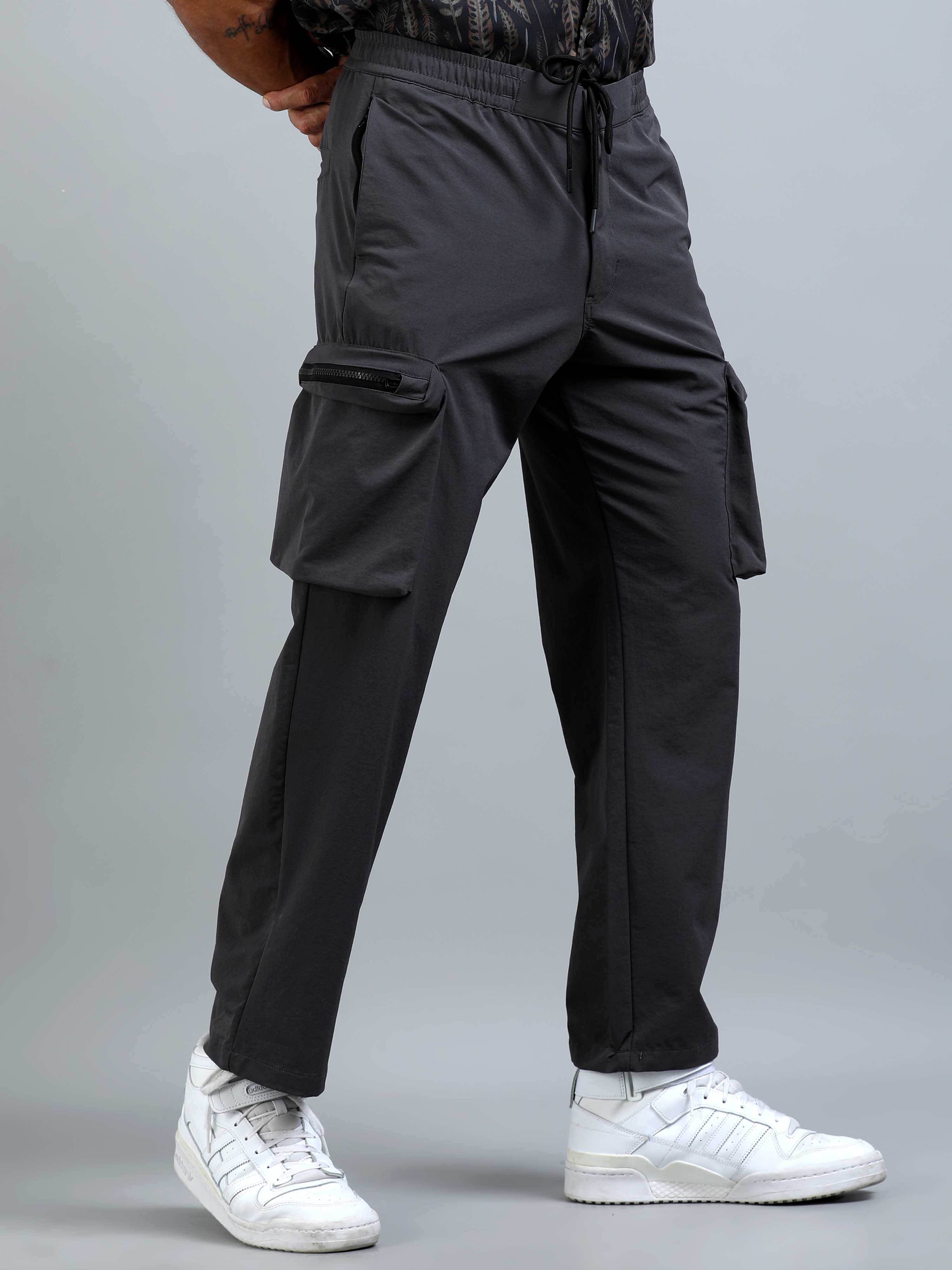
Cotton vs Ripstop Cargo Pants: Which Should You Buy?
Cotton for comfort, ripstop for toughness. Here is how the two fabrics compare, and which cargo pants to buy for daily wear versus outdoor use.
Read more
Pleated vs Flat Front Trousers: Which Should You Choose?
Pleats for comfort, flat front for a sharper line. Here is how the two cuts compare, which suits your build, and whether pleats are still in style.
Read more
