




Why Do Utility Cargo Trousers Use Reinforced Stitching?
The Engineering of Seam Strength: Why Stitching Defines Utility Performance
Utility cargo trousers use reinforced stitching because the garment experiences higher seam stress than standard trousers. Side pockets, repeated movement, sitting pressure, and daily loading all create tension at specific structural points. Reinforced stitching protects these zones by increasing seam stability and preventing early wear.
A cargo trouser may appear strong because of fabric thickness, but long-term durability depends equally on how each panel is joined. Weak stitching often becomes visible first near pocket corners, side seams, and seat zones where movement repeatedly pulls the fabric.

Stitch Logic: The Mechanics of Structural Reinforcement
The strength of a utility trouser is determined by how seam tension is managed across active zones.
- Pocket Corners: Reinforcement prevents seam opening where daily access creates repeated pull.
- Side Seams: Stronger joining supports natural leg movement without distortion.
- Seat Zones: Reinforced stitching improves resistance against stress created by sitting and rising repeatedly.
These areas receive more mechanical pressure than standard trouser seams and therefore require stronger construction logic.
Why Standard Stitching Fails Faster in Utility Wear
Standard stitching works well for light garments but becomes insufficient when the trouser includes additional storage architecture. Side pockets introduce extra weight, and this changes how force moves through the garment.
Without reinforcement, repeated stress gradually loosens seam tension. This causes slight separation at corners or visible line distortion after multiple wash cycles.
The effect may begin subtly but becomes more noticeable over time, especially when the trousers are worn regularly.
Reinforced Stitching vs Standard Construction
Reinforced stitching does not necessarily mean thicker visible seams. The improvement often lies in stitch density, seam layering, and controlled tension during construction.
A properly reinforced cargo trouser keeps its structural integrity even when pockets are used daily. It also helps preserve overall silhouette because seams continue to hold the garment panels in correct alignment.
This is particularly important in cargo trousers where multiple utility zones depend on seam precision.
Construction Standards at Italian Colony
At Italian Colony, reinforcement is integrated carefully so durability improves without disrupting the refined appearance of the garment. The visual line remains clean while hidden structural points receive additional support.
The objective is to create cargo trousers that handle daily use while preserving premium tailoring standards.
Frequently Asked Questions
Why is reinforced stitching important in cargo trousers?
Because utility pockets and movement zones create repeated seam stress.
Does reinforced stitching affect comfort?
No. It improves durability while keeping the garment flexible.
Where is reinforcement most important?
Pocket corners, side seams, and seat areas usually require the most support.
Read more

Which Fabric Is Best for Cargo Trousers in Indian Weather?
Cargo trousers designed for Indian weather must balance breathability, surface stability, and controlled weight. Fabric selection directly influences how the garment behaves during heat, humidity, ...
Read more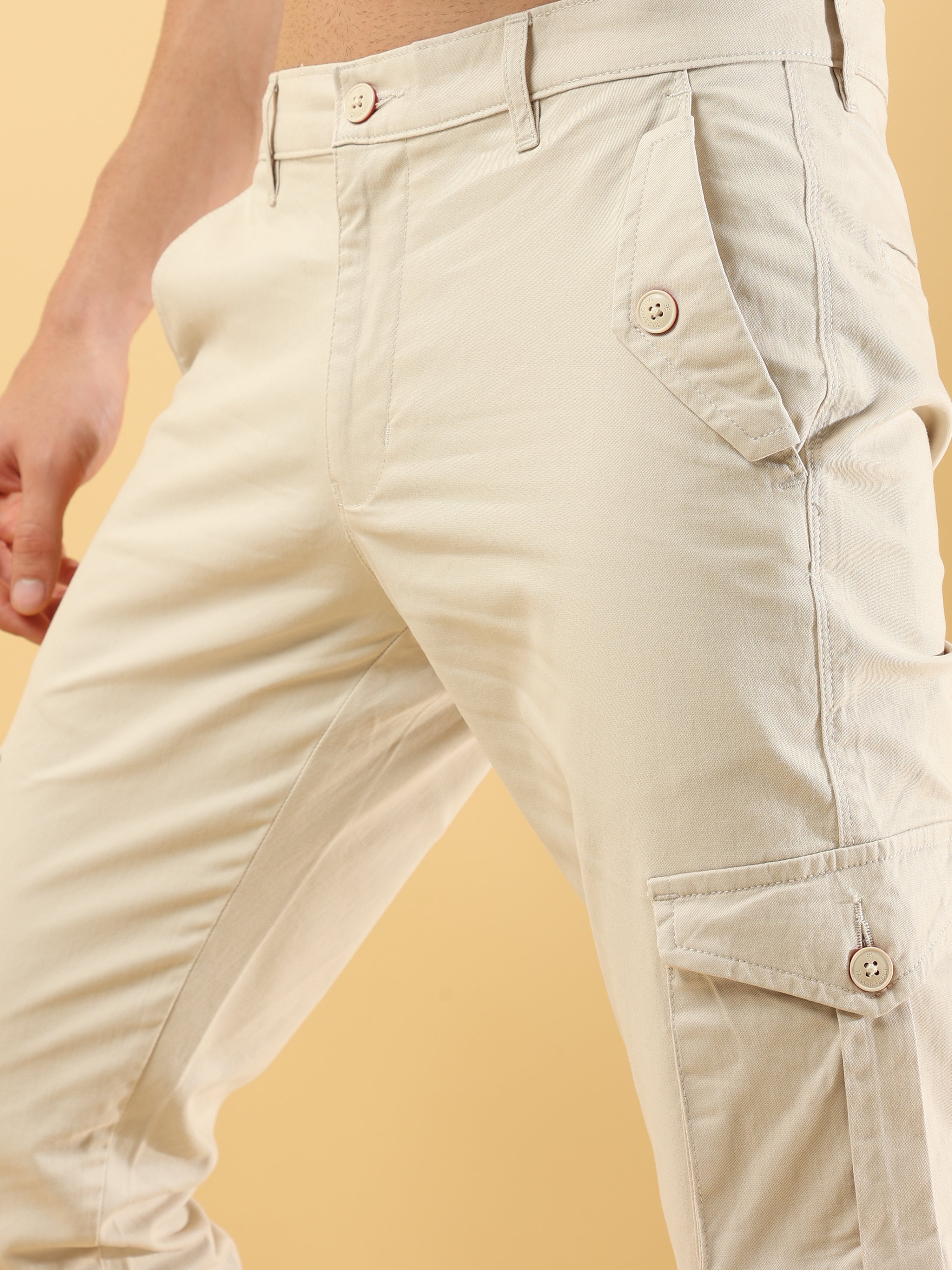
What Are Cargo Trousers and Why Are They Trending in Men’s Fashion?
Cargo trousers have become a practical and widely recognized clothing choice in men’s wardrobes. Known for their functional design and multiple pockets, cargo trousers combine storage, dura...
Read more
